BALANCEb929rel/platforms-stores4 min read
Valve tells developers to outbuild AI cloners, not wait on Steam
Valve's business team told Busan Indie Connect attendees that stopping AI cloning is developers' job. No Steam enforcement is planned; studios like Digital Sun are already delaying playtests.
Patch notes
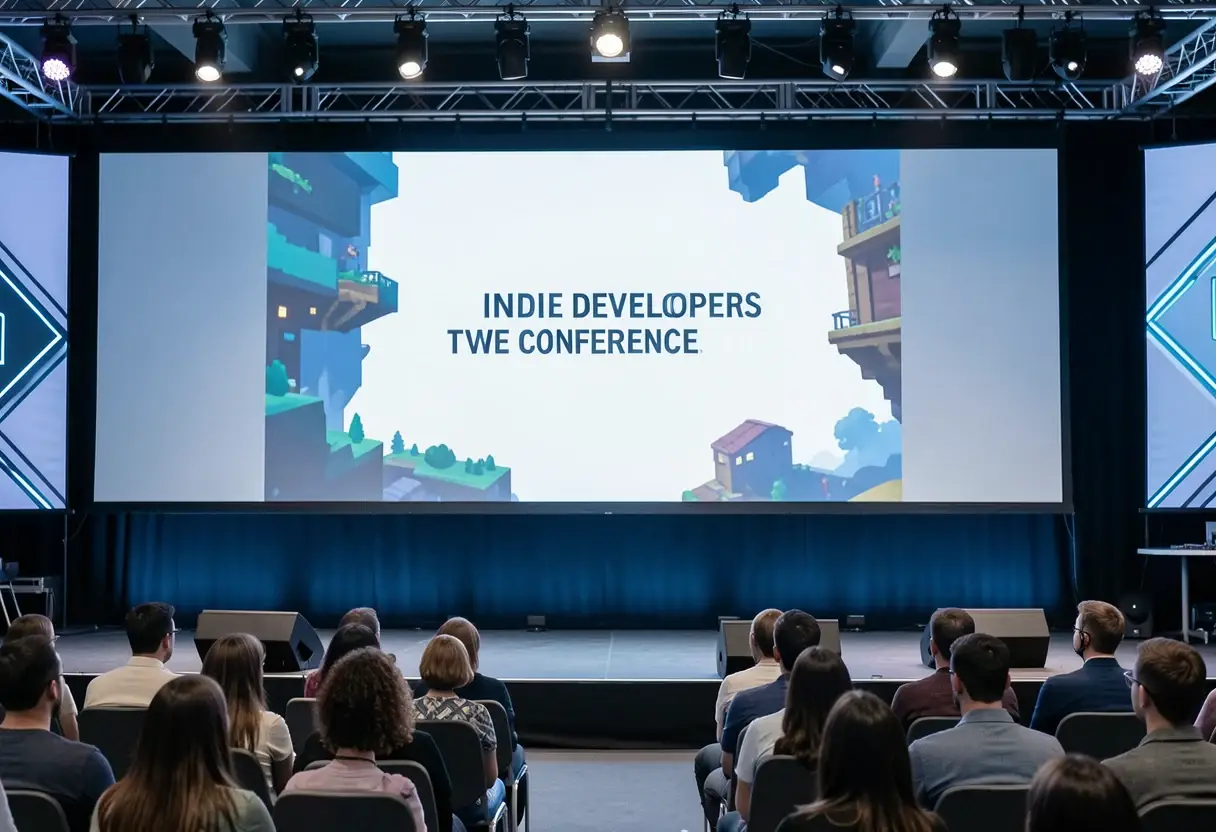
Valve's Tom Giardino and Marc Wilkinson addressed AI cloning at the Busan Indie Connect Festival in South Korea, per InvenGlobal.
Giardino reportedly said Valve doesn't want to be gatekeepers over which tools developers use.
Steam has allowed nearly all games onto its store since its 2018 anything-goes curation policy.
Digital Sun Games delayed ReVamp's public playtest over fears AI clones could beat it to launch.
Valve has told developers that defending against AI-driven game cloning is their job, not the platform's. Tom Giardino and Marc Wilkinson of Valve's business team delivered that position at the Busan Indie Connect Festival developer conference in South Korea, as reported by InvenGlobal.
The question came from a developer with a specific grievance: an email threatening to clone their game with AI and release it first. That's not a hypothetical. That's a deadline with a hostile party attached.
Giardino reportedly suggested the matter belonged with law enforcement rather than Valve — though he stopped short of committing the company's resources to any such pursuit. He also walked back the idea that Steam would take hands-on action to prevent cloning outright.
What did Valve actually say?
One quotation, machine-translated by InvenGlobal and verified with an independent native speaker, carries the core of the position. "We don't want to be gatekeepers telling developers which tools they should or shouldn't use," Giardino reportedly said.
It's a tidy sentence, and a revealing one. Valve will not police the tools that make clones cheap. It will, however, accept the traffic those clones generate.
Giardino's proposed remedy runs in two directions:
- Developers should build games that are harder to copy, with complexity doing part of the defensive work.
- Studios should cultivate active communities and establish trust, so that when copies appear, players simply prefer the original.
In other words: the platform's answer to a store flooding problem is better branding. Every studio shipping on Steam is now, formally, its own anti-clone strategy.
Why the stance is consistent, if not comforting
Valve has kept its hands off curation since 2018, when it enacted a policy allowing any and all games onto the store, bar some undetailed exceptions. "We've decided that the right approach is to allow everything onto the Steam Store, except for things that we decide are illegal, or straight up trolling," Valve's Erik Johnson stated at the time.
Nearly a decade later, that policy meets a tool — generative AI — capable of producing passable imitations at speed, and the framework hasn't moved an inch. The Busan statements don't mark a policy change. They confirm that none is coming.
Giardino's argument that complex games resist copying has some technical merit. Deeply systemic games — intricate economies, bespoke engines, layered mechanics — cost more to replicate than a demo with a hook. But "make your game more complex" is cold comfort for small teams whose entire edge is a sharp, simple idea executable in a year.
What changes for studios?
Concretely, three things:
- No platform-level enforcement is planned. Studios receiving clone threats should treat legal counsel and law enforcement as the first line, because Steam isn't volunteering.
- Community-building shifts from marketing spend to defensive infrastructure. An audience that knows your studio's voice is the moat Giardino is describing.
- Timing decisions now carry cloning risk. Holding back playable builds, demos or playtests extends development secrecy but delays the trust-building Valve recommends — a tension studios will have to arbitrate themselves.
That last point isn't theoretical. Digital Sun Games, the Spanish studio behind the Moonlighter series, is delaying the public playtest of its next game, ReVamp, specifically out of fear that one or many AI clones could beat the studio to launch. The concern spans regions and genres; the Busan question shows it's live in South Korea too.
The economics are straightforward, which is why the fear travels. If a clone can ship first and capture even a fraction of search visibility, wishlist velocity and streamer attention, the cost asymmetry favors the copier. Valve's answer assumes the market sorts originals from imitators. Studios now betting their launch windows on that assumption may want evidence it works.
GameDeveloper.com has reached out to Valve for additional comment and says it will update its story if the company responds.
For now, watch how Steam's AI-content disclosure rules interact with clone floods during upcoming Next Fest editions — a visible spike in flagged copycats would be the first real test of whether developer-side defenses hold without platform muscle behind them.
via invenglobal.com (Original)
More from Amara Osei
Show full bio
Correspondent covering money, funding and market shifts around video game industry at Game Dev Wire.
182 articles