FIXEDb663rel/platforms-stores3 min read
Valve says no to gatekeeping: Steam won't ban AI tools over clone surge
Valve admits generative AI has worsened cloning on Steam but refuses to ban tools or tighten rules, telling developers to build communities as their own defense.
Patch notes
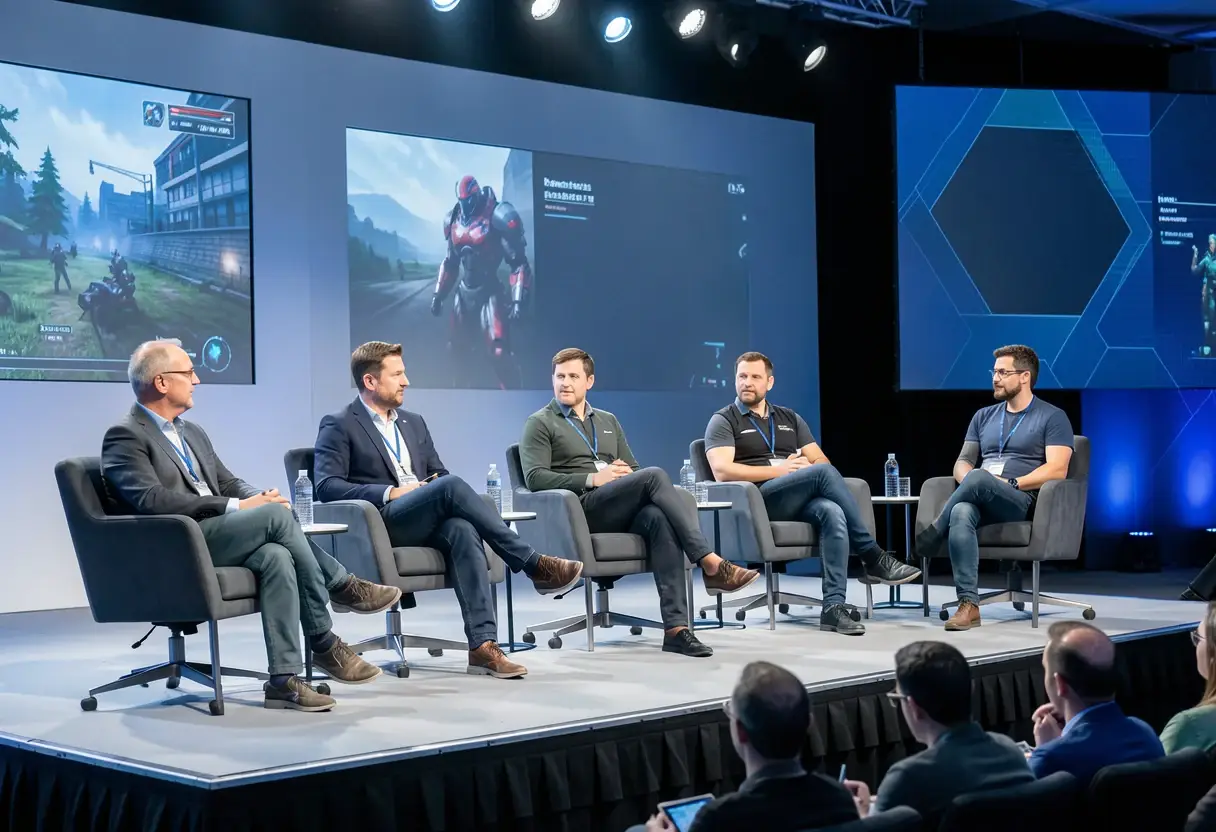
Valve's Tom Giardino and Marc Wilkinson addressed AI-driven game cloning at Steam Indie Connect in South Korea.
Valve will not ban AI tools or tighten Steam publishing rules, citing a refusal to 'gatekeep' developer tool choice.
Next Fest shows demos almost randomly for the first two days before switching to personalized recommendations.
Digital Sun Games cancelled a public playtest of ReVamp over clone risk.
Developers reported extortion attempts threatening AI-generated copies released before original games.
Valve has officially acknowledged that generative AI has made game cloning on Steam worse — and has decided, deliberately, not to do much about it. The company will neither ban specific tools nor tighten its publishing rules, a stance laid out by Valve's Tom Giardino and Marc Wilkinson at Steam Indie Connect in South Korea.
The discussion followed mounting developer complaints about low-quality games and outright clones flooding the platform. One event participant went further than most, describing cases of extortion: bad actors threaten to release an AI-generated copy of a game before the original ships, unless the studio pays up.
What did Valve actually commit to?
Very little, and that's the point. "We don't want to be gatekeepers telling developers which tools they should or shouldn't use," Giardino said. The sentence is doing a lot of work: it frames the entire policy position as a philosophy rather than an omission.
Giardino acknowledged that cloning predates generative AI, but conceded the technology has made it significantly easier. His proposed defense puts the burden on studios: build a loyal community, and make games whose value extends beyond easily replicable mechanics. In practice, that's Valve telling developers that brand and community are now the moat — not the store's curation.
For small teams without an established audience, that advice lands unevenly. A solo developer shipping a first title has no community to lean on and no mechanic that can't be replicated in a weekend with the right model.
Is Next Fest amplifying the problem?
Partly, yes. Wilkinson addressed concerns that Steam Next Fest promotes low-quality projects, and his explanation was unusually mechanical:
- During the first two days of a Next Fest, demos are shown to users almost randomly.
- After those two days, the system switches to personalized recommendations.
- This cold-start approach deliberately gives every participant — including low-quality games — a shot at visibility.
It's a design choice, not an accident. The randomness exists so new demos without traction data can still find an audience. The side effect is that AI-generated shovelware gets the same two-day window as a five-year labor of love. Wilkinson said Valve is aware of the problem and is looking for ways to solve it, though he offered no timeline and no specifics.
Are developers already changing behavior?
They are. Digital Sun Games recently cancelled a planned public playtest of ReVamp specifically because of the risk that copycat games could appear before release. That's the policy gap made concrete: a studio foregoing free marketing and player feedback because Valve's open platform offers no meaningful recourse against cloning.
The extortion reports raise the stakes further. A pay-us-or-we-ship-your-clone threat only works because shipping a lookalike on Steam is cheap, fast and carries little obvious penalty under current rules.
What changes for studios?
Operationally, nothing — and that's the news. Valve has chosen tool neutrality over enforcement, community-building over curation, and a two-day algorithmic free-for-all over quality gating at Next Fest. Studios shipping original work now budget for clone risk the way they budget for piracy.
Worth watching: whether Valve ships any concrete Next Fest reform before the next festival, and whether more studios follow Digital Sun's route of closing their playtests. Steam's openness is the strategy. The question is how many developers can afford to live inside it.
via invenglobal.com (Original)
More from Amara Osei
Show full bio
Correspondent covering money, funding and market shifts around video game industry at Game Dev Wire.
182 articles