TUNEDb320rel/platforms-stores3 min read
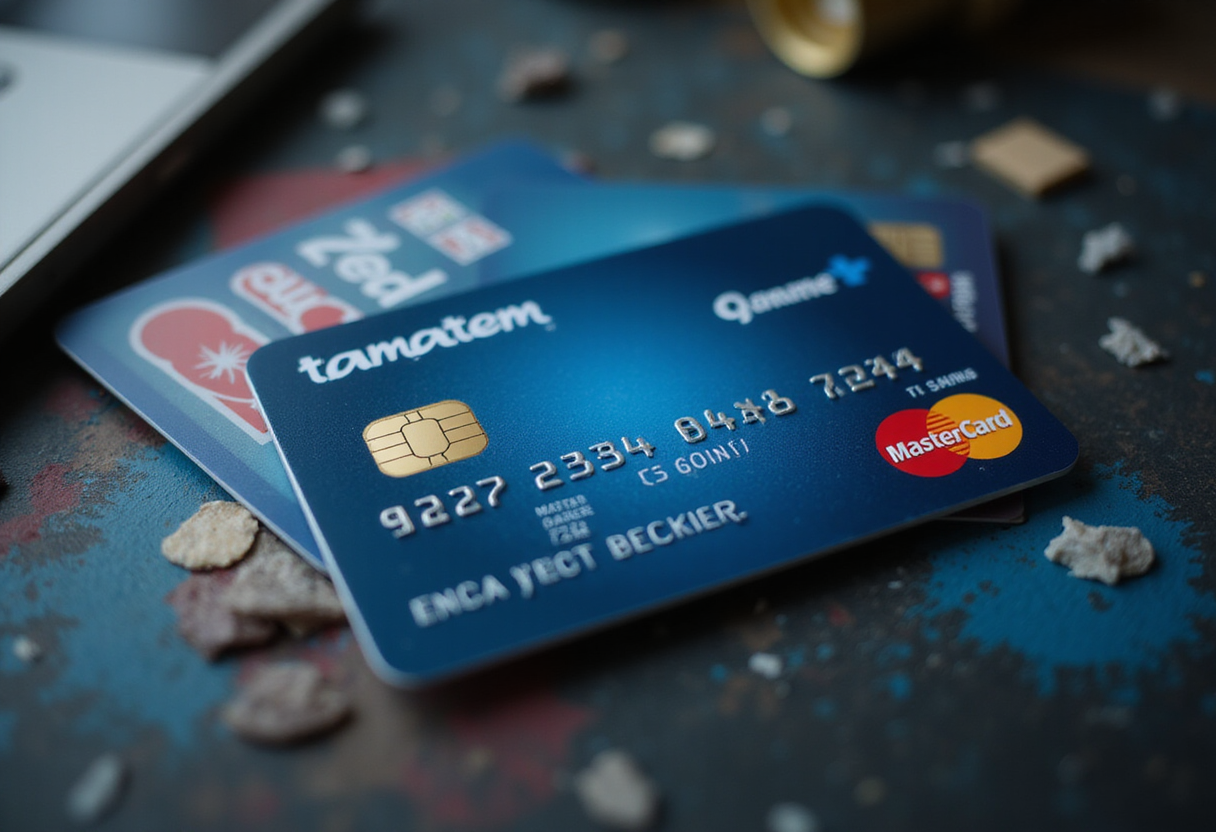
Mastercard becomes payment gateway for Tamatem Plus across 13 MENA and Africa markets
Mastercard Gateway becomes the payment gateway for Tamatem Plus across 13-plus MENA and Africa markets, adding fraud protection, local acquirers and 50-plus payment methods.
Patch notes
Mastercard Gateway will process payments for Tamatem Plus across more than 13 markets in MENA and Africa
Saudi Arabia and the UAE will be the first markets to launch
Tamatem Plus powers more than 30 localised storefronts and more than 50 local payment methods via a single integration
Mastercard Gateway adds fraud protection, authentication, 24/7 support and local and international acquirer connections
Tamatem was founded in 2013 by CEO Hussam Hammo
Mastercard will process payments for Tamatem Plus, the direct-to-consumer platform from MENA mobile publisher Tamatem, across more than 13 markets in the Middle East and Africa. Saudi Arabia and the UAE will launch first.
The deal makes Mastercard Gateway, available through Mastercard Merchant Cloud, the payment infrastructure for Tamatem Plus storefronts. The gateway will handle payment processing, authentication and fraud protection, replacing what studios previously had to assemble from multiple providers.
The operational core of the partnership is consolidation. Tamatem Plus already powers more than 30 localised storefronts and more than 50 local payment methods through a single integration. Mastercard Gateway adds 24/7 technical support, multiple local and international acquirer connections, and training and knowledge transfer for teams on the platform.
What changes for publishers and players?
For publishers targeting the region, the arrangement removes a layer of payments complexity. Studios using Tamatem Plus can reach MENA and African audiences without negotiating individual acquirer relationships or building country-specific checkout flows. The single-integration model covers cards, local alternative payment methods and telco wallet balances — the latter a significant channel in markets where card penetration remains uneven.
For players, the change surfaces as localised web stores and in-game checkout in familiar payment rails rather than friction-heavy international card flows. That matters for conversion in markets where telco wallets and local methods dominate digital transactions.
The partnership also strengthens the direct-to-consumer channel itself. Tamatem Plus storefronts let publishers sell outside traditional app store distribution, where platform fees typically run at the standard 30% cut. Better-performing local payment stacks make that off-store route more viable for publishers localising Arabic-language titles.
Who is Tamatem?
Tamatem CEO and founder Hussam Hammo founded the Amman-based publisher in 2013, focusing on localising mobile games for Arabic-speaking audiences.
"When we started Tamatem in 2013, our belief was simple: MENA deserves world-class gaming built for our language and our culture," Hammo said. "Today, enhancing the payment experience behind the games millions of people across our region love is the natural next chapter of that mission."
Hammo framed the Mastercard partnership as validation for regional technology companies competing internationally: "Partnering with Mastercard is a proud moment for every person at Tamatem and a signal of what homegrown Arab technology can achieve on the global stage. Together, we are making it simpler and more secure for every gamer in the region to play, pay and belong."
Why payments infrastructure matters in MENA gaming
Payment localisation has long been a conversion bottleneck for game publishers expanding into MENA and Africa. Fragmented banking systems, varying regulatory regimes and strong telco wallet adoption mean a single global payment setup rarely performs well across the region.
The Mastercard deal addresses three of those friction points at once: fraud and authentication tooling tuned for higher-risk markets, local acquirer routing to improve authorisation rates, and telco wallet support for unbanked or underbanked players.
For Mastercard, the partnership extends its gaming vertical strategy into a region with a large, young player base and growing mobile-first spending. For Tamatem, it hardens the infrastructure behind its platform business at a time when direct-to-consumer storefronts are becoming standard practice for mid-size publishers seeking better margins than app store economics allow.
Neither company disclosed commercial terms or a revenue-share structure for the arrangement. The initial rollout beyond Saudi Arabia and the UAE across the remaining markets will be the signal to watch for publishers weighing the platform.
via PocketGamer.biz (Source)
More from Elena Vasquez
Show full bio
Staff writer covering marketplaces and e-commerce at Game Dev Wire.
148 articles