Platforms & Stores4 min read
Australia's new duty-of-care law hits games and AI chatbots with 5% fines
Australia's Digital Duty of Care Act, passed 97-43, obliges games, apps and AI chatbots to prevent foreseeable harms, with fines up to 5% of global revenue. The opposition vows repeal.
Key points
The Digital Duty of Care Act passed the House 97-43 and the Senate 36-23 on Wednesday.
Maximum penalties rose from A$109 million (~$72 million) to 5% of a company's global revenue via Greens amendments.
The law covers online services including games, apps and AI chatbots, with a preventive duty of care.
Opposition leader Angus Taylor pledged to repeal the law if the Liberal Party wins the 2028 election.
The statute mirrors the EU's Digital Services Act (2022) and the UK's Online Safety Act (2023).
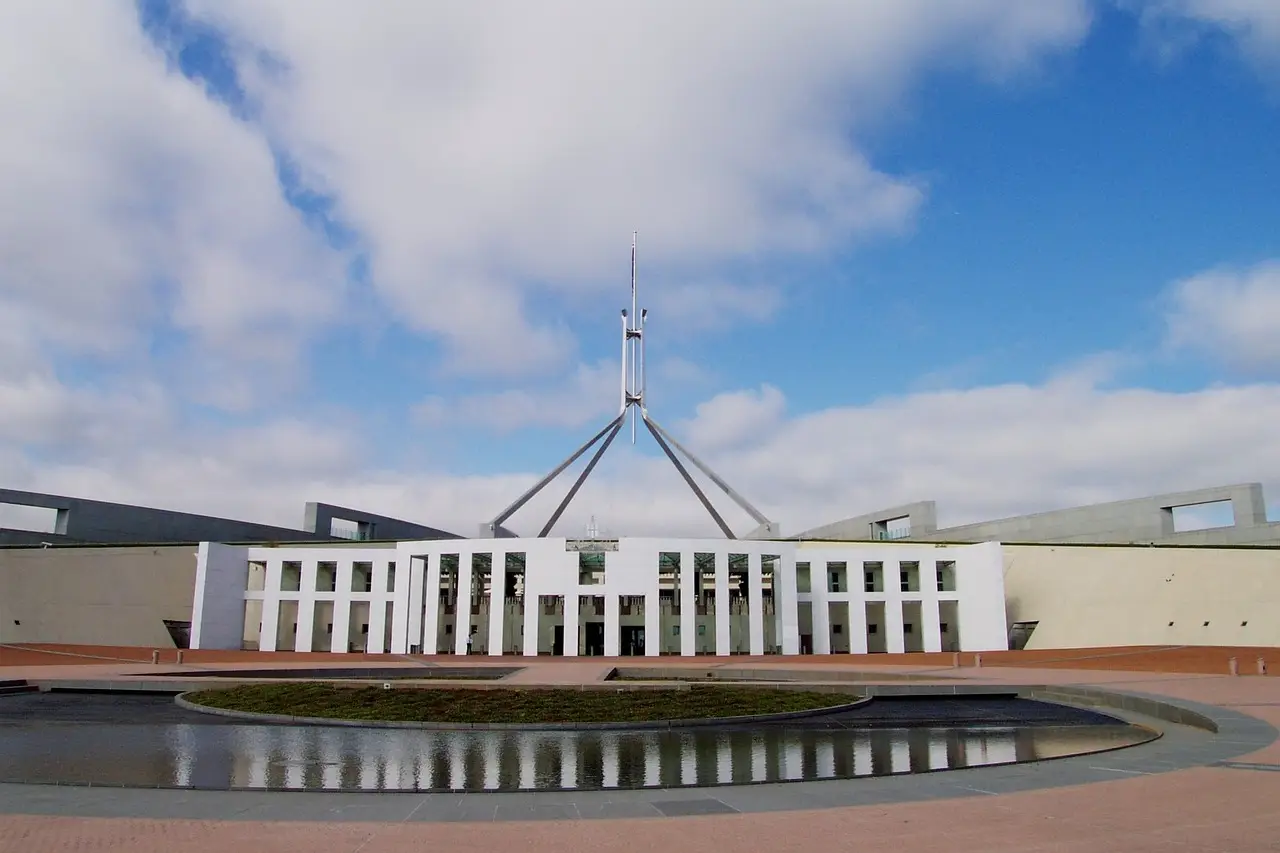
Australia's Parliament passed the Digital Duty of Care Act on Wednesday, setting proactive safety duties for online services — including games, apps and AI chatbots — backed by fines of up to 5% of a tech company's global revenue.
The law requires platforms to reduce the risk of foreseeable online harms before they occur, shifting the onus from regulators chasing incidents to companies preventing them, according to an Australian government statement. For game studios and platform operators serving Australian users, that means risk assessments and harm-mitigation obligations now sit directly on the product team, not just the legal department.
The bill cleared the House of Representatives 97 votes to 43, where the center-left Labor government holds a majority. It passed the Senate 36 to 23 after the government struck a deal on Tuesday with the minor Greens party, which no majority party controls.
What does the law actually change?
The legislation sets minimum safety standards for online services — games, apps and AI chatbots among them — requiring them to protect Australians from seriously harmful material and conduct, the government said. The framing is preventive: harms must be addressed before they occur, not after complaints pile up.
The Greens' amendments hardened the enforcement ceiling. Maximum penalties rose from the government's original A$109 million (about $72 million) to 5% of a company's global revenue. For a platform pulling in $50 billion a year, that's a theoretical $2.5 billion exposure. Theoretical, but the number does the talking.
Prime Minister Anthony Albanese told Parliament the law would stand as a "powerful instrument to protect our children and our society from online harms by placing the onus on the tech platforms to ensure a safer online environment."
"This is a victory for our children and young people. The dangers were unforeseen when the digital world was young," Albanese said. "But now that the digital world has matured, they can be easily recognized and they can be remedied."
How does it compare overseas?
The statute follows the template of the EU's Digital Services Act, passed in 2022, and the UK's Online Safety Act, passed a year later. Australia now sits in the same regulatory family as Brussels and London, with the same burden-shifting logic: platforms assess risk, document it, and answer for foreseeable failures.
That matters for Australian studios shipping globally. Compliance architecture built for the DSA and the Online Safety Act largely transfers, but the Greens' revenue-based penalty ceiling sits at the sharp end of what any of these regimes threaten.
Who is objecting, and does it stick?
Opposition leader Angus Taylor told Parliament he would repeal the legislation if his conservative Liberal Party wins the 2028 elections. He called the law "authoritarian."
"This bill is a blank check for political censorship," Taylor told Parliament. "The bill is an attack on free speech that is absolutely central to our democracy."
The United States weighed in too. Ambassador David Brat said on Tuesday the proposed laws would "impose disproportionate compliance burdens on American companies relative to competitors."
"Vaguely defined 'harms,' backed by penalties of up to 5% of global revenue, will push platforms to censor lawful speech," Brat posted on social media.
Both warnings land on the same fault line: a duty to prevent vaguely defined foreseeable harm plus a revenue-linked fine gives platforms a strong commercial incentive to over-remove lawful content. That incentive is the point, depending on whom you ask.
Greens chief negotiator Sarah Hanson-Young, whose amendments delivered the penalty escalation, framed the passage bluntly.
"Today, the safety and wellbeing of Australians and their children have finally been put ahead of Big Tech's bottom line," she said in a statement after the Senate vote.
"My message to Big Tech companies is, it's time to make your platforms safe or we will see you in court," she added.
What's worth watching
For studios, the practical question is enforcement: how the regulator defines "seriously harmful" conduct in live-service games and AI chatbot interactions, and how aggressively it uses the 5% ceiling. Taylor's repeal pledge sets a political clock — the 2028 election is the earliest the law could be unwound. Watch the first penalty proceedings before then; they'll define what "duty of care" means in practice.
via fastcompany.com (Source)
More from Amara Osei
Show full bio
Correspondent covering money, funding and market shifts around video game industry at Game Dev Wire.
296 articles